Turn customer feedback into decisions your firm can defend
We build customer understanding from research and strategy through voice of customer programs and insight activation, grounded in social-science rigor, so customer signals reach the people who can act on it.


Customer & employee experience determines client retention, referral revenue, and cost to serve.
Most VoC programs collect data. Few produce decisions.
Customer understanding is the evidence behind every CX decision: which segments to protect, which touchpoints to fix, and where investment returns most. Voice of customer (VoC) is the discipline that captures what customers say, do, and feel and turns it into that evidence. We design listening programs around those decisions, then measure what they produce.
The platform works. The program around it stalls.
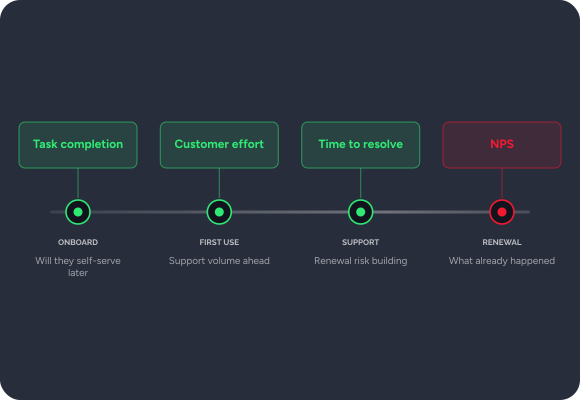
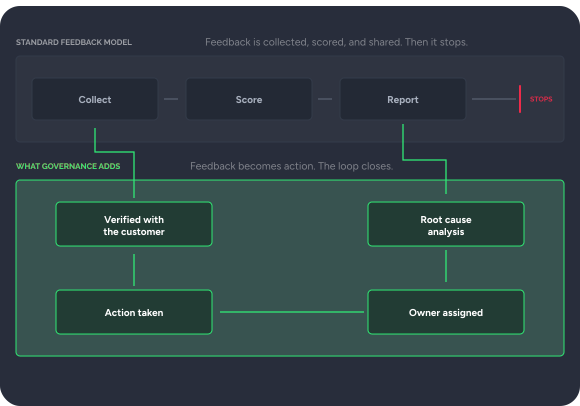
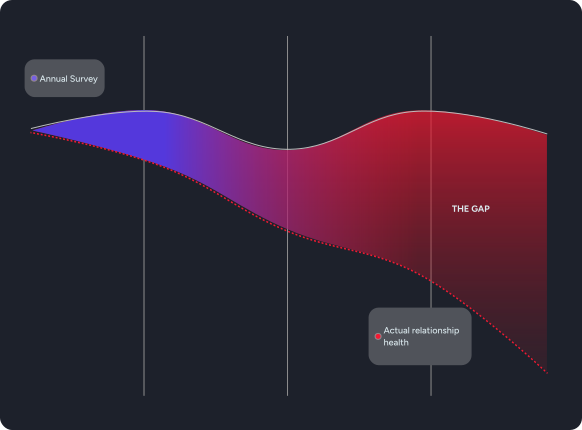
Most insurance, legal, accounting, and AEC firms already own a feedback platform such as Client Savvy, Qualtrics, or Medallia., or InMoment. The programs around them stall in three predictable places. Feedback arrives and dashboards refresh with no operating decision attached. The headline metric is NPS, with no causal link to retention or revenue. And insight lands in a quarterly deck instead of reaching the account leader who could act on it.
When the CFO asks what the program is worth, the answer is hedged. When customers never hear that their feedback changed anything, response rates and internal credibility erode together. The fix is an operating model built around decisions, with the tool in a supporting role.
The CX Pilots Customer Understanding methodology
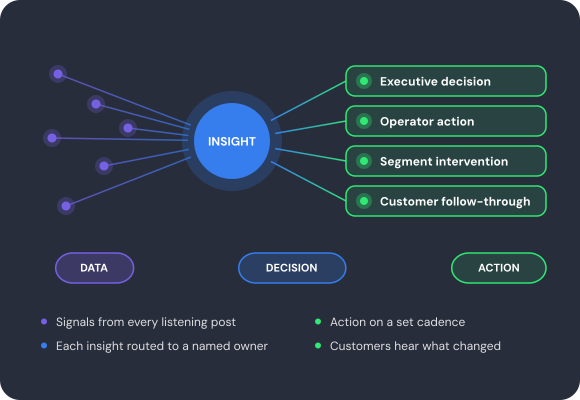
Every engagement starts with the business outcomes the program has to support, such as retention, expansion, or reduced defection. Listening posts, survey instruments, metrics, and activation cadences are designed backward from those outcomes, so every piece of customer signal has a named owner and an expected action.
VoC Architecture

VoC Strategy
Customer Research & Survey Design
VoC Implementation
Insight Activation
Journey Mapping
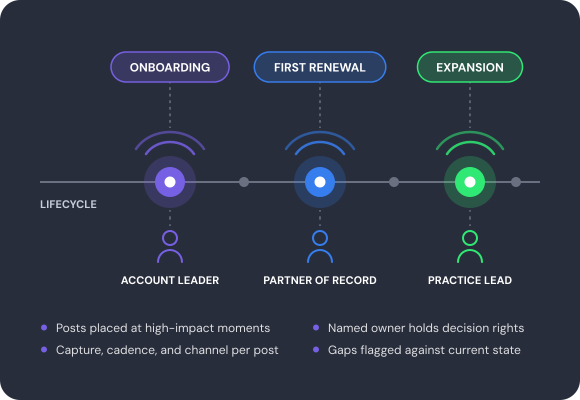
- Decision-rights matrix
- Current-state listening post inventory
- Future-state listening post map and gap analysis
- Cadence and channel specification
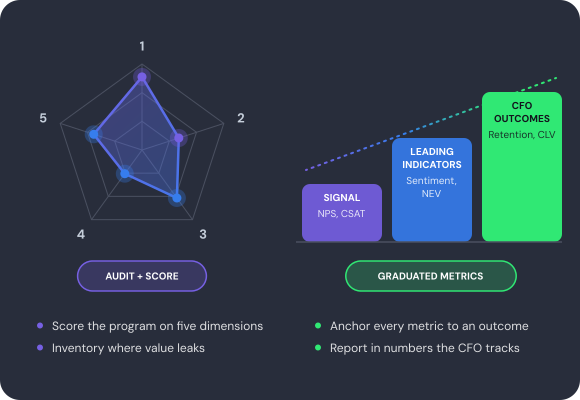
- VoC program audit and five-dimension scorecard
- Value-leak inventory
- Outcome anchor memo
- Graduated metrics framework and KPI workbook
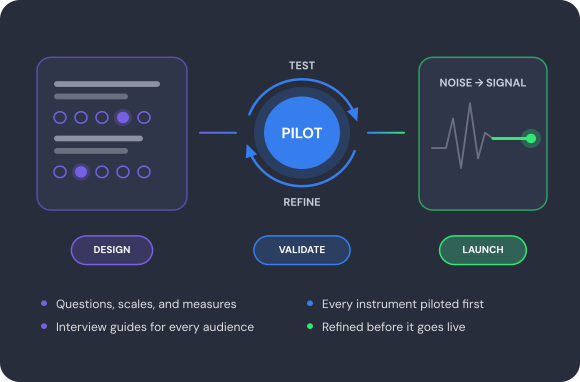
- Validated survey questions
- Scale and methodology specification
- Customer and stakeholder interviews
- Pilot results and refined instruments
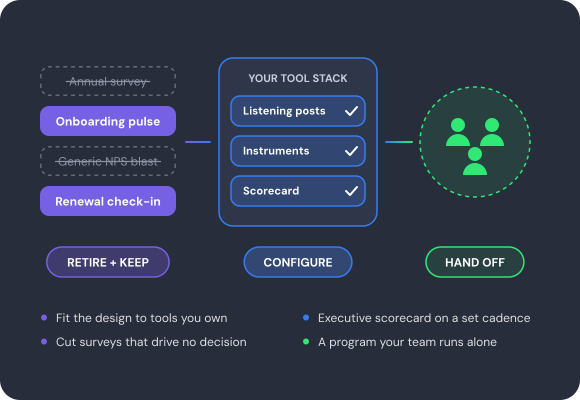
- Tool-fit assessment and recommendations
- Channel-specific survey instruments
- Executive scorecard and reporting cadence
- Handoff documentation
- Insight activation playbook
- Operating cadence specification
- Customer follow-through mechanism
- Operator and CX team training
- CX metrics dashboard
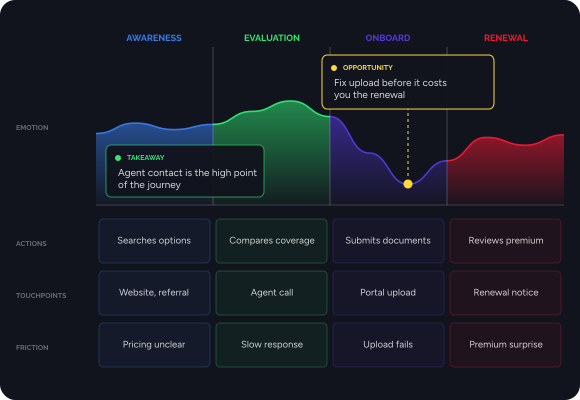
- Journey map (traditional or live in Pathara)
- Moments of truth and ranked opportunities

- Ranked internal and external themes
- CX maturity report and score
- Industry benchmarking
- Comprehensive gap analysis
- CX improvement roadmap
- Findings presentation
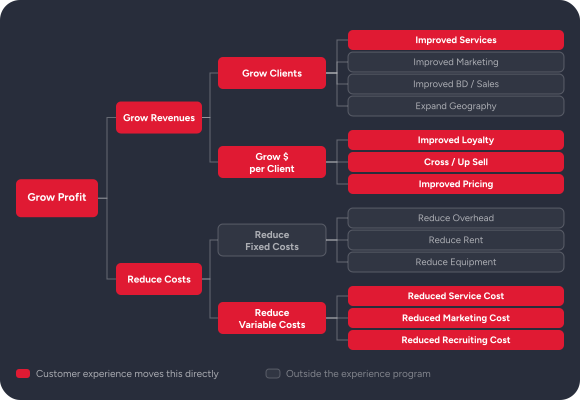
- Value driver model
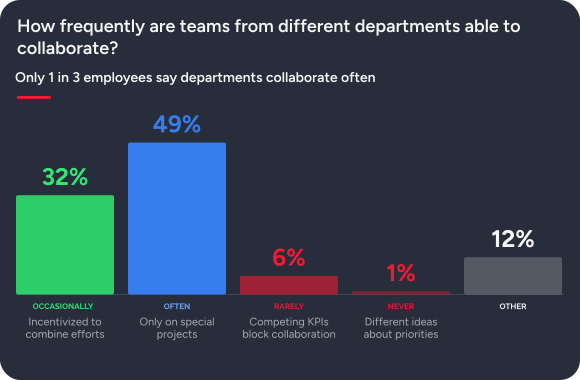
- Leadership alignment on target outcomes
- Experience-to-revenue economic model
- ROI hypotheses
- Metrics audit and gap analysis
- CX metrics and KPI strategy
- Customized dashboard and reporting system
- CX ROI measurement
- User research
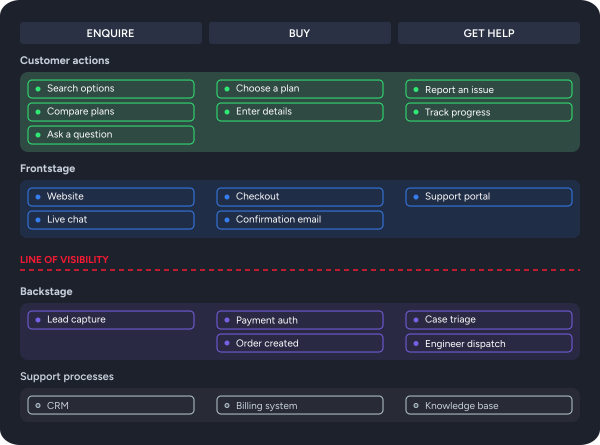
- Process and touchpoint mapping
- Points of friction
- Prioritized recommendations
- Regular leadership reviews of CX metrics
- Governance structure and accountability framework
- Defined ownership for each KPI
- Frameworks for CX initiatives
- Multi-year prioritization
- Intervention map for each friction point
- Leadership alignment workshops
- Investment and resourcing planning
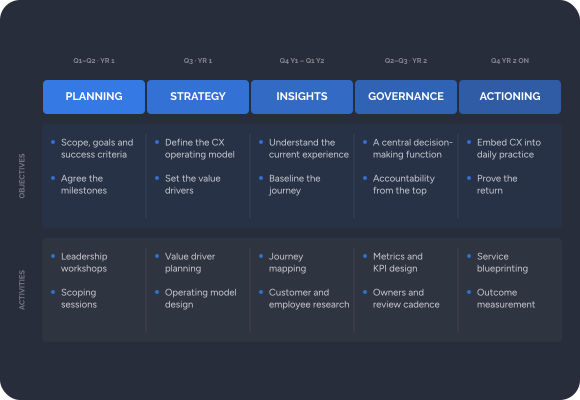
Customer signal becomes accountable action
How Customer Understanding becomes action
Mapping
The latest in Customer Understanding insights





The most common questions we hear from our clients about customer understanding
What is a Voice of Customer program?

A voice of customer program is the operating system for customer signals. It sets which listening posts exist, which metrics summarize what they hear, who holds the decision rights to act, and how customers learn what changed. Without the last two, a program produces reports and not much else.
We already pay for a feedback platform. Why do we need outside help?
The platform is a sensor. It collects signal well and leaves open what to measure, what counts as a finding, and who acts on it. We design the operating model around the tool: listening posts, decision rights, metrics, and the activation cadences that turn signal into decisions.
How do we know if our VoC program is working?
Start with one question: did the data change a decision your firm made last quarter? Our audit scores programs across five dimensions (outcome anchor, decision production, closed loop, metrics maturity, and governance) with supporting evidence for each, so you leave with a defensible read on what to fix first.
Why move beyond NPS?
NPS, CSAT, and CES are useful starter metrics, and they rarely carry a causal link to revenue. We build a graduating stack: starter metrics for operational monitoring, advanced measures such as Net Emotional Value and sentiment from open-text analysis, and revenue-linked KPIs such as retention by segment and defection cost avoided for board reporting.
How long does an engagement take?
Individual services run four to seven weeks. A program audit takes four to six weeks, and architecture and listening design takes five to seven. Full engagements are phased, with a clear decision point between each phase.
Will this mean more surveys for our customers?
How is this different from our platform vendor's training?
Changes are introduced in sequence and built into existing routines, such as team meetings, performance reviews, and onboarding, to keep disruption low.
Who on our team needs to be involved?
A senior sponsor, the CX team lead, and the operators who will act on insight, such as account leaders and service-line leads. Operators surface gaps sponsors miss, so we bring them into the design early.

